
TL;DR: Aging is a process that impacts us on many levels and involves a wide range of reactions. While normal aging comes with some cognitive changes, dementia is a disease that causes significant decline in cognitive functions, distinct from normal aging. It presents various symptoms, impacting memory, communication, and behavior. Supporting someone with dementia involves patience, creating a safe environment, and clear communication. Caregivers must also prioritize their own well-being. Counselling can be a resource when dealing with the various stresses, changes and losses involved in dealing with aging and caring for someone with dementia.
Jump to: Common signs of Dementia | Resources
Aging happens. We notice new aches and pains. Our skin develops new wrinkles, and grey hairs appear. We might begin to feel a little less sharp in our thinking, or notice “senior moments” when we forget what we were just about to do.
Growing older is for many, a journey filled with wisdom, cherished memories, and, sometimes, regrets and unexpected challenges. One of those challenges can be dementia, a term that more often than not, evokes fear and worry.
When a diagnosis of dementia is received, someone in early stages may have a lot of fear about what the future holds and how the disease will unfold. If they have seen others, perhaps even their own parents or loved ones dealing with dementia, it can shape their expectations and emotional responses. Someone experiencing symptoms of dementia may grieve the losses they are experiencing when they realize that they can no longer trust their memory. They may experience frustration or anger about their growing limitations.
Loved ones and caregivers also often grieve as they lose parts of the person they love to dementia. They may experience anger and powerlessness as they watch the illness stealing their loved one away or distorting their reactions or personalities.
Counselling is often a place where people talk about their experiences of aging – either their own, or that of their loved ones, or sometimes both. It is a safe space to process the many impacts and reactions they may experience–from fear to grief and at times, anger.
Normal Age Related Brain Changes versus Dementia
Our brains change as we age. This normal aging process often involves gradual shifts in cognitive function. For example, we might experience occasional forgetfulness, misplace our keys, or need a moment longer to recall a familiar name. These do not, in themselves, signal the onset of dementia.
Aging is a natural process, often compared to the rings of a tree. The rings, varying in width and density, represent the passage of time, the accumulation of our years and experiences, our environment, health, lifestyle, and genetics, resulting in the uniqueness of each person.
Normal aging can be viewed as subtle variations in the width or texture of the tree’s rings over time. Dementia on the other hand represents significant disruption to the tree’s structure, where the rings become fragmented or damaged.
The Alzheimer’s Society of Canada defines dementia as “a broad term that describes a set of symptoms that may include memory loss, changes in mood, and difficulties with thinking, problem solving and language.” It explains that “dementia is caused when brain cells become damaged and eventually die. There are many diseases and conditions which can cause dementia, with Alzheimer’s disease being the most common type. Regardless of the cause, dementia can be frightening, which makes it difficult to find the right help.”
Some Common Signs of Dementia
While the presentation can vary, some typical indicators of dementia identified by the Alzheimer’s Society of Canada include:
- Memory loss. Individuals may frequently forget recent events, struggle to recall conversations, and ask the same questions repeatedly. They might also misplace items and have difficulty retracing their steps to find them.
- Difficulty with communication. They, may have trouble finding the right words, pause frequently or substitute words in conversations, repeat themselves, or struggle to follow a discussion.
- Difficulty planning or solving. Everyday tasks that once seemed simple, such as following a recipe or organizing daily activities, can become increasingly difficult. They may struggle with sequential tasks and decision-making.
- Disorientation. Individuals with dementia may become confused about the time or may not recognize familiar surroundings and people.
- Mood and personality changes. They may experience increased irritability, anxiety, depression, apathy, or social withdrawal. Some personality traits may also change.
- Impaired judgment. Dementia may lead to poor decision-making, for example dressing inappropriately for the weather.
- Reduced visual and spatial skills. They may struggle with judging distances, navigating familiar environments, recognizing objects, or interpreting visual cues.
- Misplaced Items. Unlike occasionally losing keys, individuals may put items in unusual places (e.g., putting shoes in the refrigerator) and not be unable to remember where they placed them.
- Social withdrawal. These may lose interest in previously enjoyed hobbies, social engagements, or interactions with friends and family.
It is important to see a doctor and get a medical diagnosis as soon as possible when these signs are noticed, as many of them may be caused by other underlying medical conditions. Early diagnosis can make it easier to mitigate the symptoms.
Managing Symptoms of Dementia
The Alzheimer Society of Canada recommend some strategies for managing dementia:
- Exercise your brain with new cognitive exercises, e.g. learning a new language.
- Protect your head from injury.
- Stay socially connected and physically active. Eat a healthy balanced diet.
- Take care of your hearing – get annual evaluations and if needed, wear a hearing aid.
- See your doctor regularly.
- Quit smoking and reduce alcohol use
Supporting Loved Ones with Dementia
Communicating and interacting with someone living with dementia can become challenging. Strive for an approach that is patient, empathic, and understanding. Remember that challenging behavior is a result of the disease process, not a reflection of the person’s personality. Some additional strategies include:
- Creating a safe space. Modify their living spaces to minimize hazards. Remove tripping hazards, secure medications, and ensure good lighting. Simplify their surroundings to reduce confusion.
- Creating a calm space. Minimize distractions. Avoid rushing or pressuring them, as this can increase anxiety and agitation.
- Maintaining their routines. Familiar objects and established daily routines can provide a comfort, security, and predictability, which reduces confusion and anxiety.
- Communicating clearly. Use simple language, short sentences, and speak distinctly. Ask one question at a time and allow ample time for a response and check for understanding. Be mindful of individual or cultural preferences for eye contact. Pay close attention to their body language and facial expressions which often convey more than words.
- Offering emotional support. Listen attentively to concerns and validate their feelings, even if you don’t understand or agree. Non-verbal communication, such as a smile or nod, can be helpful.
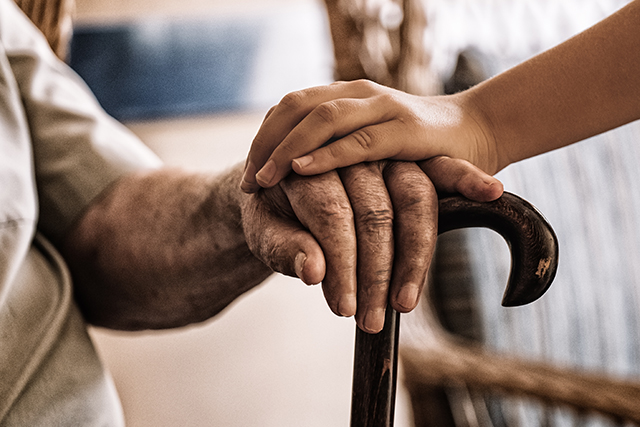
- Using touch appropriately. A gentle touch, such as holding their hand or a comforting pat on the arm, can provide reassurance. Be mindful of the individual’s comfort level and personal space.
- Focusing on their strengths. Celebrate remaining abilities and accomplishments, no matter how small. Adapt activities to their current capabilities to promote engagement.
- Treating them with respect and dignity. Speak directly to them, not about them. Refrain from talking down to them or infantilizing them.
- Avoiding contradicting, correcting, or arguing with them.
A diagnosis of dementia can be challenging; however, it does not signify the end of a meaningful life. With understanding, support, and compassionate care, individuals living with dementia can continue to experience moments of joy, connection, and purpose.
Navigating Care Needs and Boundaries
How individuals and families respond to a loved one with dementia varies greatly, influenced by personal circumstances, culture and family history. Some families are able to provide long-term, intensive in-home care doing as much care as they can, from meal preparation to changing incontinence products. Others, for many reasons, must seek external professional help such as personal support workers or nursing care.
When the expectations of seniors and their care givers about care giving roles don’t match up with reality, it can result in hurt relationships, stress and conflict. Because there is no one “right” way to manage all the needs, unique solutions need to be developed for each person and family.
Families can sometimes pull together in beautiful ways, sharing resources and care-giving responsibilities, and adapting as the dementia journey unfolds and the care-giving needs evolve. Other families may struggle to respond well, especially when historical relationship difficulties have never been fully addressed. This can lead to imbalance in caregiving responsibilities among family members, or disagreements over the need for professional care and how this will be paid for.
It is helpful to be clear about what your boundaries are, understand your own comfort level with some caregiving roles all while considering the needs and dignity of the person needing care. These vary depending on the individual involved, as well as the family, community and cultural contexts. Greater awareness of expectations, boundaries and preferences can help you feel more confident as decisions are made about how to best meet the needs for care.
Managing boundaries often involves having to access external supports. Navigating the resources, as well as the strengths, limitations and challenges of the various health and long-term care systems can bring its own layers of stress and emotion.
Counselling can offer a space of support for caregivers to process feelings, coping, changes in their relationship with the person living with dementia, address family dynamics or conflict, managing the context of healthcare and agency systems, and personal coping.
Caring for Yourself
If you are supporting someone with dementia, it is important to acknowledge that this role can be emotionally and physically demanding.
- Practice self-care. Make dedicated time for activities that nourish and rejuvenate you, whether it’s exercise, hobbies, spending time in nature, or quiet relaxation. Ensure you are getting adequate exercise, sleep and nutrition.
- Seek respite. Try to find and accept support from family members, friends, or faith-based organizations. Respite care services can also provide temporary relief, allowing you to recharge.
- Nurture yourself spiritually, recognizing that this may look different for different people.
Prioritizing your own well-being is not selfish; it is necessary if you are to providing sustainable and effective care.
Grace and Dignity
Aging is a natural part of life, and while it may bring challenges, it also brings opportunities for growth and connection.
Every journey with aging and dementia is unique. Some days will be more difficult than others. By embracing understanding, seeking knowledge, and extending compassion to both our loved ones and ourselves, we can navigate this journey with grace and dignity, fostering connection and preserving moments of joy along the way.
Jennifer Myrie is the Clinical Director at Shalem Mental Health Network
Sources Used:
American College of Physicians. (2024). Dementia: Prevention and Screening, Diagnosis, Treatment. Annals of Internal Medicine. Annals of internal medicine. 177 (11), pp, 1449-1600.
Understanding the “Rings of a Tree”: A Guide to English Metaphor. https://www.youtube.com/watch?v=OeF7eLKLbmU.
Drummond Smith, G. D., Ho, K., Lee, A., Lam, L. & Chan, S. (2023). Dementia literacy in an ageing world. Journal of Advanced Nursing, 79 (6). pp. 2167-2174.
Alzheimer’s Society of Canada. (2024). What is Dementia.
Resources
Alzheimer’s Society of Canada. National Resource Library. https://alzheimer.ca/en/help-support/dementia-resources.
Alzheimer’s Society of Canada. (2024). What is Dementia.
The development of an early draft of parts of this article was supported by AI.